
Heritage Energy Operational Services Limited (HEOSL), operator of OML 30 on behalf of the Joint Venture between NNPC Exploration and Production Limited (NEPL) and Shoreline Natural Resources Limited (SNRL), has called for sustained commitment to Zero Harm across the asset, emphasising that strong health, safety, security and environmental (HSSE) performance depends on how consistently safe practices are applied in everyday operations.
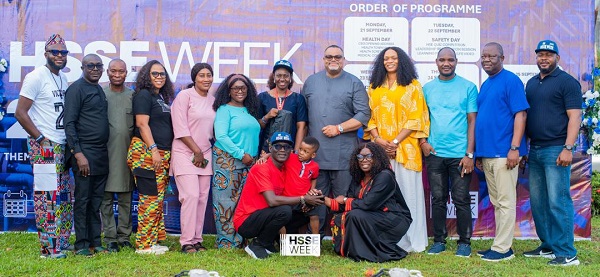
The call was reinforced during Heritage Energy’s 2026 HSSE Week, themed “One Team. One Goal. Zero Harm,” the company’s inaugural HSSE Week programme, which focused on strengthening HSSE awareness and reinforcing the behaviours required to protect people, the environment, the asset and surrounding communities across OML 30.
Chief Operating Officer, Wessel de Haas, said achieving Zero Harm requires more than an aspiration, stressing the need for disciplined and integrated action across the organisation.
“The type of skills and the type of things you need to do to work safely to cause no harm to the business, the environment, the asset, the community and no harm to people. This requires integration, working together, attention to details, sticking to procedures and care for each other.”
De Haas also highlighted the importance of individual awareness in managing operational risk, noting that employees may identify dangers that others have not seen.
“You might see danger that somebody else does not see. And that is an important thing to realise.”
General Manager, Operations and Integrity, Nelson Wilbert, similarly stressed that the value of HSSE initiatives should ultimately be measured by their impact on operational behaviour and outcomes.
“I want us to focus on outcome. These are just a step into something greater,” he said.
Wilbert challenged the workforce to consider what should change in their day-to-day work once the programme had ended.
“What will you do different because of this week, after the banners come down? After everybody goes back to their day-to-day job, what are you going to do different?”
He emphasised that the knowledge and tools shared during the programme must translate into practical application across the organisation.
“Ultimately, it is about… all these tools that we have gone through, all these sessions, or all these ideas, all this information that we have shared amongst ourselves, we truly need to use them. We really need to use them.”
Wilbert also called for greater personal ownership of health and safety, particularly where employees encounter conditions that could expose themselves or others to harm.
“The same applies to, if it is not you, you saw the unsafe condition and you are like, ah, let’s just manage it. And then your friend gets hurt, or maybe even worst case, passes on. You will live with that pain even longer than or harder than physical harm to yourself.”
Across the leadership message, the emphasis is clear: Zero Harm depends on the quality of decisions made in the course of everyday operations, recognising risk, maintaining standards, intervening when necessary and applying the lessons that strengthen how work is done across OML 30.
Comment here