
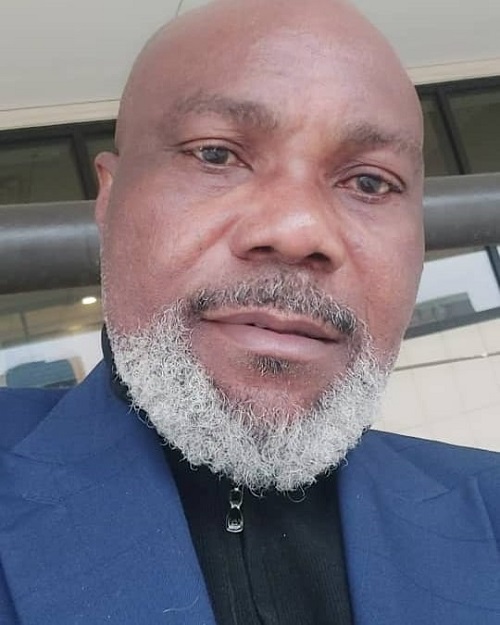
Kunle Odusola
Imagine the scene: January 3, 2026. In a daring, lightning-fast U.S. military operation, special forces swoop in and seize Nicolás Maduro, the iron-fisted leader whose regime has long defied Washington. It’s a high-stakes gambit straight out of a thriller—ending years of authoritarian grip, economic chaos, and global standoffs. Overnight, alliances fracture, condemnations erupt from Moscow and Beijing, and the UN Security Council descends into gridlock. Sovereignty debates rage, regional stability hangs in the balance, and the world watches breathlessly as Venezuela teeters on the brink of transformation.
But for the sharp-eyed players in business, finance, energy, and oil & gas, this isn’t just headline drama—it’s a game-changer with electrifying implications. The real action? It’s playing out in the oil pits, where fortunes are made and lost in the blink of an eye. And for Nigeria’s savvy operators, investors, and policymakers, this seismic shift is both a wake-up call and a golden ticket to bolder plays.
Let’s talk markets first—the adrenaline rush of traders worldwide. In the operation’s chaotic aftermath, Brent crude rocketed upward, spiking to $62 per barrel as fears of supply shocks, infrastructure sabotage, or proxy flare-ups gripped trading floors.
It was pure volatility fuel: tankers seized, exports scrutinized, and every rumor sending prices on a wild swing. By January 7, they’ve settled near $60, but that lingering risk premium? It’s the market’s way of saying, “Buckle up—the ride’s not over.” For hedge funds, commodity desks, and energy traders, these swings are pure opportunity: short the fear, long the recovery, and pocket the spreads.
Zoom out to the medium term, and the plot thickens into something truly tantalizing. Venezuela isn’t just any producer—it’s the holder of the world’s largest proven reserves, over 300 billion barrels of black gold. Yet under Maduro’s watch, output collapsed from 3 million barrels per day to a trickle of 800,000, strangled by sanctions, corruption, and neglect. Now, with the strongman gone and sanctions poised to lift, the floodgates could open. Analysts are buzzing: 500,000 extra barrels per day in two years? Achievable with the right moves. Full comeback? That could mean billions in fresh investment—$100–180 billion to revive fields, pipelines, and refineries.
Picture it: Chevron ramping up, new majors circling, heavy sour crude flooding back into globals markets. In a world where demand growth is cooling amid the energy transition, this extra supply could cap prices in the high $50s for 2026—music to consumers’ ears, but a high-stakes challenge for exporters. For finance pros eyeing upstream deals or downstream bets, Venezuela’s revival screams “investment frontier”: high risk, sky-high rewards.
Enter Nigeria—the African giant with skin in this game like no other. Venezuelan heavy crude is a direct rival to our Bonny Light and blends, and its return could squeeze differentials, erode market share, and hit revenues hard. With budgets built on loftier price forecasts, softer oil could widen deficits, pressure the naira, and test macroeconomic nerves. It’s the classic petrostate peril: one global jolt, and the house of cards wobbles.
But here’s the exciting flip side—this crisis is Nigeria’s catalyst for a breakout. Maduro’s fall spotlights the fragility of oil dependence, but it also illuminates the path to resilience and riches. Think upstream boom: policy tweaks to lure billions in FDI for exploration and production surges. Downstream revolution: Dangote Refinery hitting full stride, modular plants proliferating, slashing import bills, and turning Nigeria into a refining powerhouse. Diversification thrill: supercharging agriculture, minerals, tech hubs, and manufacturing to build an economy that laughs at oil shocks.
This isn’t doom and gloom—it’s the spark for ambitious visionaries to seize dominance in Africa’s energy landscape. And the timing? Couldn’t be more perfect.
Mark your calendars for the Nigeria International Energy Summit (NIES) 2026, February 2–5 in Abuja—the premier arena where deals ignite and strategies crystallize. Under the powerhouse theme “Energy for Peace and Prosperity: Securing Our Shared Future,” this Federal Government-backed flagship (launched in 2018 with unbreakable industry support) will draw the heavy hitters: African energy ministers, NOC chiefs, regulators, global investors, and top executives.
Expect electric sessions on unlocking capital, harmonizing policies, and forging pan-African partnerships across the value chain. The spotlight? Midstream and downstream infrastructure—the game-changing push to refine and consume our own resources, turbocharging energy security, industrial explosion, job creation, and value capture at home.
Don’t miss the flagship Signature Session: “Balancing Commercial Growth with National Development”—a no-holds-barred debate on how Africa’s nations and NOCs can craft winning formulas for stability, inclusivity, and competitiveness in this turbulent era.
For deal-makers, financiers, and energy leaders, NIES 2026 isn’t just an event—it’s the launchpad for the next big wins. Network with the decision-makers, spot the opportunities, and shape the future amid this global upheaval.
Maduro’s capture isn’t merely history—it’s the adrenaline shot propelling the energy world into a new chapter. For Nigeria’s bold players in business, finance, oil and gas, the message is crystal clear: dive in, innovate fiercely, diversify smartly, and lead the charge. In this high-octane landscape, those who move fastest will claim the biggest prizes. The question is: Will you be at the forefront when the dust settles?
Kunle Odusola-Stevenson, a public relations expert and energy issues commentator based in Lagos.
Comment here